
Career momentum can stall for reasons that have nothing to do with your performance reviews. An unexpected office relocation or a workplace injury can quietly push your promotion timeline back months, or even years, if you do not know how to navigate the disruption. Understanding the hidden ways these events affect your standing at work can help you protect the progress you have already made. This guide breaks down what happens during these disruptions and what steps you can take to keep your career on track.
How Office Relocations Disrupt Performance Visibility
When a company moves offices, the disruption rarely stays contained to logistics. Employees often lose weeks of productive time packing, adjusting to new commutes, and relearning how to collaborate in a new physical layout. During this window, managers are distracted too, which means the normal visibility that drives promotion decisions can disappear just when you need it most.
Relocations also tend to delay big-picture planning. Leadership may postpone performance conversations, budget reviews, and new project assignments until the move is fully behind them. If your promotion case depended on launching a new initiative or taking on visible leadership, a relocation can push that opportunity back indefinitely.
Choosing Reliable Office Moving Partners to Limit Downtime
The length and difficulty of an office move often comes down to who is handling the logistics. Businesses that hire experienced office moving companies tend to resume normal operations faster, which shortens the window where employee performance is harder to track. A well-planned move minimizes lost workdays, reduces equipment damage, and keeps teams functioning close to normal capacity.
As an employee, you generally will not choose the movers, but you can ask informed questions that signal your engagement and awareness. Asking about the moving timeline, temporary workspace arrangements, or IT setup shows initiative even during a chaotic period. That visibility matters more than people realize when promotion decisions are eventually revisited.
- Ask leadership for an estimated move timeline so you can plan your workload accordingly
- Volunteer to help coordinate your team’s transition, which keeps you visible to decision-makers
- Back up important files and documents before moving day in case of IT downtime
- Request a temporary workspace setup that lets you stay productive during the transition
Why Workplace Injuries Interrupt Career Progress
A workplace injury can derail a promotion track just as effectively as a corporate relocation, though the reasons are more personal. Recovery time, medical appointments, and reduced work capacity can make it difficult to take on the extra responsibilities that typically precede a promotion. Even a short-term injury can create a gap in your output that gets noticed, fairly or not, during performance evaluations.
Beyond the physical limitations, injuries often carry an emotional toll that affects focus and confidence at work. Employees recovering from an injury sometimes hesitate to ask for accommodations out of fear it will make them look less capable. That hesitation can unintentionally slow recovery and extend the period where career growth feels frozen.
Protecting Your Rights After a Workplace Injury
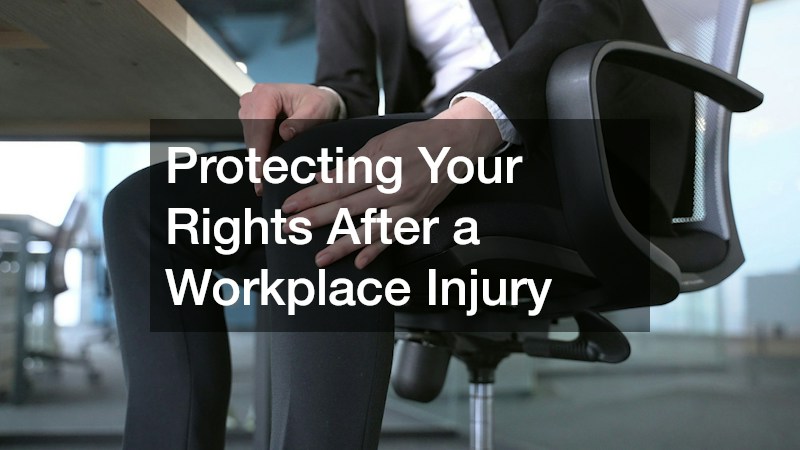
If your injury happened on the job, understanding your legal protections is just as important as understanding your medical treatment plan. Many employees are unaware of the full scope of workers compensation benefits available to them, including wage replacement and job protection during recovery. Reviewing your company’s injury reporting policy as soon as possible can prevent complications later.
In situations where an injury resulted from negligence, whether from a third party, faulty equipment, or unsafe conditions, consulting personal injury lawyers can clarify what compensation you may be entitled to beyond standard workplace benefits. These professionals can also help you understand how a settlement or ongoing case might intersect with your employment status. Getting informed early often prevents employees from unintentionally giving up rights during recovery.
- Report the injury to your employer immediately and request written documentation
- Keep copies of all medical records and communication related to the incident
- Understand the difference between workers compensation and third-party liability claims
- Ask your HR department about job protection policies during medical leave
Communicating Proactively With Leadership During Disruptions
Whether the disruption is a move or an injury, silence tends to work against you. Employees who proactively update their managers on their situation, their workload capacity, and their recovery or relocation timeline are far more likely to stay on leadership’s radar for future opportunities. A short, honest conversation can prevent misunderstandings about your commitment or performance.
It also helps to document your contributions during the disruption, even if they feel smaller than usual. Keeping a simple log of completed tasks, problem-solving moments, or team support can be useful when performance reviews resume. This record becomes evidence that you stayed engaged even when circumstances were working against you.
- Schedule a brief check-in with your manager to discuss your current capacity
- Ask directly whether your promotion timeline has shifted and why
- Request a follow-up conversation once the disruption has passed
- Keep a running list of achievements to reference during review season
Rebuilding Momentum Once the Disruption Ends
Once the move is complete or your recovery has progressed, the next step is re-establishing your visibility. This often means asking for a specific project, volunteering for a leadership role on a smaller initiative, or requesting a formal check-in about your career path. Momentum rarely returns on its own, so taking initiative signals that you are ready to move forward again.
It is also worth revisiting your original promotion criteria to see what may have changed. Priorities often shift after a major disruption, and the skills or results that mattered six months ago may not carry the same weight now. A direct conversation with your manager can clarify what is needed to get your career trajectory back on course.
- Request an updated list of expectations tied to the promotion you are pursuing
- Identify one visible project you can lead to rebuild momentum
- Ask for feedback on how the disruption affected perceptions of your performance
- Set a realistic timeline for revisiting the promotion conversation
Office relocations and workplace injuries are disruptive, but they do not have to permanently derail your career goals. By staying informed, communicating proactively, and understanding your rights and resources, you can minimize the setback and position yourself for renewed growth. The key is to treat the disruption as a temporary detour rather than a dead end, and to take deliberate steps toward getting your promotion track back on course.
